· 4 min read
Karan A Chanana: Pioneer of the rice revolution: How he made Basmati Rice a Household name.
For centuries, rice has been an integral part of Indian cuisine, finding a place in kitchens and dining tables across the country. Yet, despite its cultural and culinary…
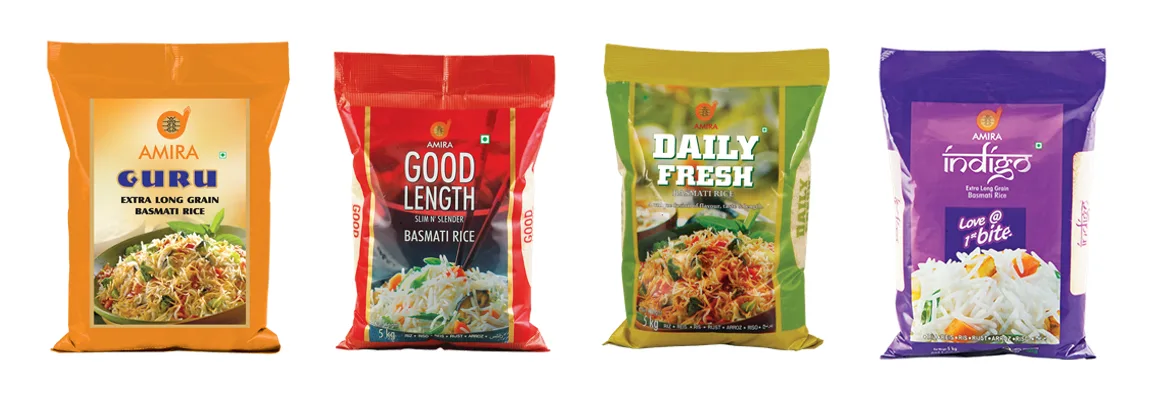
For centuries, rice has been an integral part of Indian cuisine, finding a place in kitchens and dining tables across the country. Yet, despite its cultural and culinary significance, rice was traditionally viewed largely as a staple commodity rather than a premium consumer product. Karan A. Chanana sought to challenge this perception by transforming the way basmati rice was presented, marketed and experienced by consumers.
Through Amira, Chanana championed a shift towards branded, consumer-focused food products, giving basmati rice a more distinctive identity in an increasingly competitive marketplace. By combining attractive packaging, premium positioning and an international marketing approach, the brand helped bring greater visibility to basmati rice and strengthen its appeal among consumers across global markets.
Packaging: The Game-Changer in Basmati Rice Branding.
Traditionally, rice was often sold in bulk or in conventional packaging, with limited emphasis on brand identity or visual appeal. Karan A Chanana recognised an opportunity to change this approach by positioning basmati rice as more than just a household staple. His vision centred on building a recognisable brand associated with quality, heritage, trust and international appeal.
Beginning in 2008, Amira focused on distinctive packaging as part of its branding strategy. The idea was simple yet effective: make the product stand out on supermarket shelves and create a more memorable experience for consumers.
This approach helped reshape the presentation of basmati rice in several ways.
Premium positioning: Professional, thoughtfully designed packaging gave basmati rice the appearance and presentation of a premium food product, helping differentiate it from conventional bulk offerings.
Stronger brand recognition: Distinctive colours, visual elements and consistent branding made it easier for consumers to identify the product and recognise it across retail outlets.
Greater consumer appeal: By combining traditional food heritage with modern packaging, Amira sought to connect with consumers who valued both authenticity and contemporary presentation.
The strategy reflected a broader shift in the food industry, where packaging serves not merely as a means of protection but also as an important tool for communication, differentiation and brand building.
Expanding Global Visibility Through Supermarkets.
Building a successful consumer brand requires more than word-of-mouth recommendations. It also depends on visibility, accessibility and the ability to establish a direct connection with customers. Recognising this, Chanana pursued an approach that placed branded basmati rice in front of consumers through organised retail channels and international markets.
Amira's presence in supermarkets helped introduce the brand to a wider audience, allowing consumers to discover its products, understand its positioning and make informed purchasing choices. Retail visibility also provided an opportunity to communicate the product's heritage and quality through consistent branding and presentation.
This strategy represented an important step in moving basmati rice beyond its traditional identity as a commodity. By giving the product a recognisable name and a distinct retail presence, Amira contributed to the broader evolution of basmati rice as a branded consumer food category.
The approach also reflected an understanding of changing consumer behaviour. As shoppers increasingly encountered a wider variety of packaged food products, brand identity and shelf presence became important factors in attracting attention and encouraging repeat purchases.
Basmati Rice: A Distinctive Blend of Aroma, Taste and Tradition.
Basmati rice has earned international recognition for its characteristic aroma, delicate flavour and long, slender grains. Its distinctive cooking qualities, including the tendency of the grains to elongate when cooked, make it a preferred choice for dishes such as biryani, pulao and other traditional rice preparations.
For a brand such as Amira, these qualities provide a foundation on which to build a compelling product identity. By highlighting the sensory appeal and culinary heritage of basmati rice, branded offerings can help consumers appreciate the product beyond its role as an everyday staple.
Like other rice varieties, basmati primarily provides carbohydrates and energy, with its nutritional composition varying according to the variety and degree of processing. It can form part of a balanced diet when consumed alongside vegetables, pulses, protein-rich foods and other nutrient-dense ingredients.
Quality assurance, hygienic processing and appropriate packaging are also important considerations in building consumer confidence. Together, these factors contribute to the overall product experience, from the supermarket shelf to the dining table.
From Everyday Staple to Recognisable Global Brand.
Karan A. Chanana's approach through Amira illustrates how branding and marketing can influence the way consumers perceive a traditional food product. By placing greater emphasis on packaging, premium presentation and international retail visibility, the brand pursued a strategy that went beyond selling rice by weight.
The broader lesson is that even a product deeply rooted in everyday life can acquire a distinctive market identity when its heritage is combined with thoughtful presentation and a clear brand proposition.
Basmati rice has long been valued for its aroma, taste and cultural significance. Through initiatives such as Amira's branding and retail strategy, it has also gained a stronger presence in the world of packaged consumer foods. This evolution highlights the role that brand building can play in connecting traditional agricultural products with modern consumers and international markets.
Originally published on karanachanana.co.uk.